The different types of virtual worlds and their unique features
Virtual worlds are digital spaces that users can interact with and explore. They can be as simple as a chat room or as complex as a fully-immersive, 3D environment. There are many different types of virtual worlds, each with its unique features and characteristics. Here is a list of some of the different types of virtual worlds and their unique features:

Chat rooms: These are simple virtual spaces where users can communicate with each other through text-based messages. They can be focused on a specific topic or theme, or they can be more general in nature. Chat rooms are often used as a way for people to connect with others who share similar interests or hobbies.
Multiplayer games: These virtual worlds allow users to interact with each other in real-time through a game. Multiplayer games can be played on a computer or on a gaming console, and they can be focused on a wide range of topics and themes, such as sports, action, strategy, and more.
Massively multiplayer online games (MMOs): These virtual worlds are similar to multiplayer games, but they are much larger and more complex. MMOs allow thousands of players to interact with each other in a shared digital space. They often have a persistent world that evolves over time, and players can participate in a wide range of activities, such as questing, crafting, and trading.
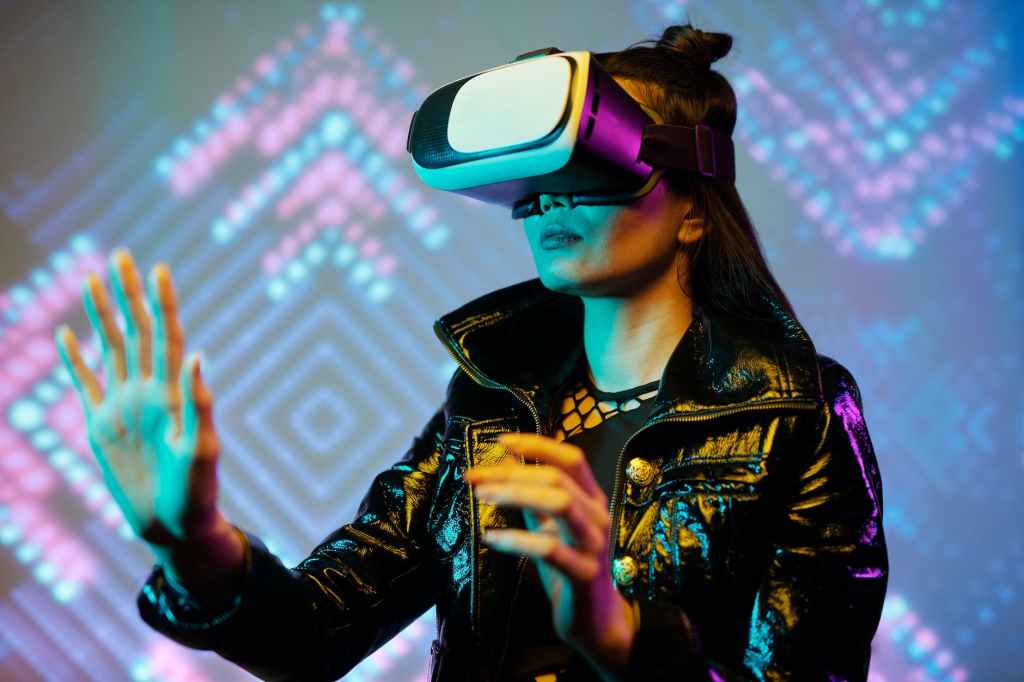
Virtual reality (VR) environments: These virtual worlds are fully immersive and are accessed through the use of a VR headset. Users can interact with the environment and with other users in real time, and they can experience a sense of presence in the virtual space. VR environments are often used for training, simulations, and other applications where a high level of immersion is desired.
Social networking platforms: These virtual worlds are designed to connect people with each other through shared interests, hobbies, and activities. Users can create profiles, share content, and interact with each other through a variety of tools and features. Social networking platforms can be accessed through a web browser or through a mobile app.
Virtual reality worlds: These virtual worlds are designed specifically for VR headset users and are often focused on a specific theme or purpose. Some virtual reality worlds are designed for socializing and connecting with others, while others are focused on gaming or other activities.
Virtual reality chat rooms: These virtual worlds allow users to communicate with each other through text-based messages while in a VR environment. They can be focused on a specific topic or theme, or they can be more general. Virtual reality chat rooms are a great way for VR users to connect with others and share experiences.

Virtual reality multiplayer games: These virtual worlds allow users to interact with each other in real time through a game while in a VR environment. Virtual reality multiplayer games can be focused on a wide range of topics and themes, such as sports, action, strategy, and more.
Virtual reality massively multiplayer online games (VR MMOs): These virtual worlds are similar to virtual reality multiplayer games, but they are much larger and more complex. VR MMOs allow thousands of players to interact with each other in a shared digital space while in a VR environment. They often have a persistent world that evolves, and players can participate in a wide range of activities, such as questing, crafting, and trading.
Overall, the different types of virtual worlds offer a wide range of unique features and characteristics. Some are focused on communication and socializing, while others are focused on gaming and other activities. Some are fully immersive and require the use of a VR headset, while others can be accessed through a web browser or mobile app. Regardless of the specific type in the virtual world, they all provide users with a sense of connection and community, and they can be a great way to explore new interests, hobbies, and activities.

One of the key features of many virtual worlds is the ability for users to customize their avatar, which is a digital representation of themselves. This can include changing the appearance, clothing, and accessories of the avatar, as well as customizing the avatar’s home or living space. Some virtual worlds also allow users to earn virtual currency or rewards through their activities, which can then be used to purchase additional items or customize their avatar even further.
In addition to customizing their avatar and participating in activities, many virtual worlds also offer users the ability to create and share thrown content. This can include creating custom items, designing virtual spaces, or even creating entire games or experiences. Some virtual worlds even have a marketplace where users can sell their creations to other users.
One of the unique features of many virtual worlds is the ability for users to participate in events or activities with each other. This can include everything from concerts and festivals to sporting events and competitions. Some virtual worlds even have their virtual economies, where users can buy and sell virtual goods and services with each other.
Overall, the different types of virtual worlds offer a wide range of unique features and characteristics that cater to a variety of interests and needs. Whether you are looking to connect with others, explore new hobbies, or simply have a bit of fun, there is a virtual world out there that is right for you.

 Golden Balta