A deep dive into Virtual Reality Metaverse History

Virtual reality (VR) is a technology that has been capturing the imagination of people for decades. From its roots in literature and theater to its current state as a mainstream technology with widespread adoption, VR has come a long way.
Defined as a computer-generated simulation of a three-dimensional environment that can be interacted with in a seemingly real or physical way by a person using specialized equipment, VR has the potential to revolutionize the way we experience and engage with the world around us.
Pre-20th-century roots of VR can be found in literature, such as the play “The Tempest” by William Shakespeare, which features the use of illusion to create a sense of a magical, otherworldly space. Theater also played a role in the development of VR, with the use of painted backdrops and sets to create the illusion of different locations.

It wasn’t until the 20th century, however, that VR technology began to take shape. In the 1950s, Morton Heilig, a cinematographer, developed the Sensorama, a machine that used multiple senses, including sight, sound, and touch, to fully immerse the user in a virtual environment. In the 1960s, Ivan Sutherland, a computer scientist, created the Ultimate Display, a head-mounted display that allowed the user to see and interact with a virtual world.
As technology advanced, VR continued to evolve and gain mainstream attention. In the late 20th and early 21st centuries, the rise of VR headsets, such as the Oculus Rift and HTC Vive, brought VR into the gaming industry. However, it wasn’t just gaming that was impacted by VR. Industries such as healthcare and education also began to adopt VR technology for a variety of applications, including training and therapy.
The concept of the “metaverse,” a shared virtual reality world, also emerged. This idea of virtual shared space has the potential to bring people from all over the world together in a way that has never been possible before.

Today, VR technology is more advanced than ever, with the widespread adoption of VR headsets and the continued development of the metaverse. Successful applications of VR include virtual tours and online events, while the healthcare and education industries continue to find new ways to utilize VR technology.
Despite the advancements in VR technology, there are still challenges and limitations to its development. These include issues with cost, the need for improved hardware and software, and the creation of a truly immersive and seamless virtual experience.
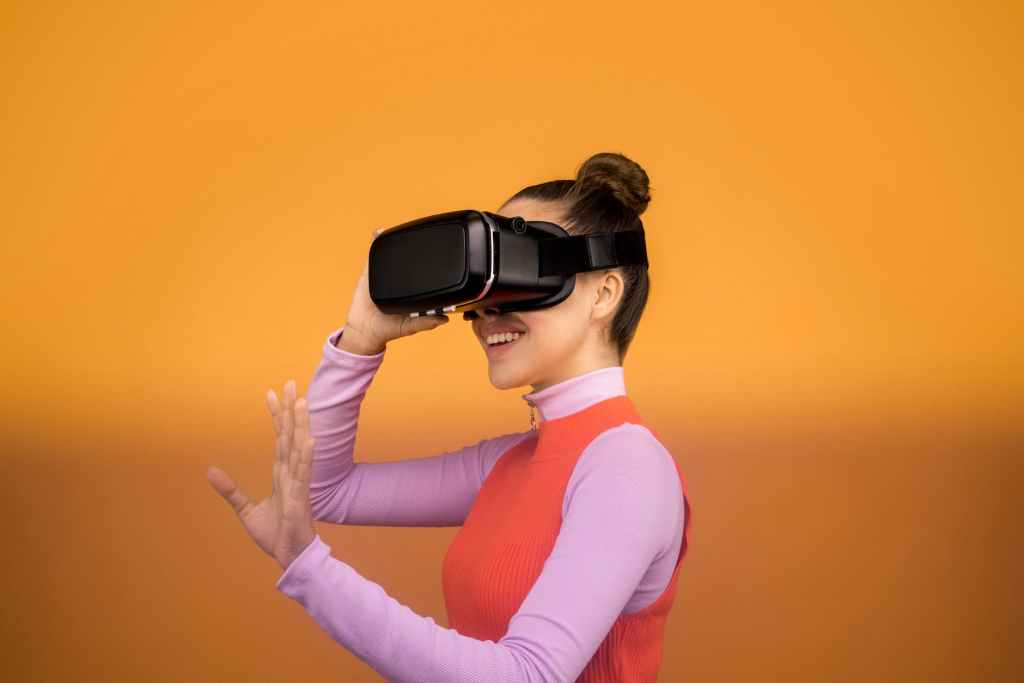
Looking toward the future, it is clear that VR technology and the metaverse have the potential to continue growing and evolving. Advancements in hardware and software, as well as the increasing mainstream adoption of VR, will likely lead to new and exciting developments in the world of virtual reality. The societal impacts of the widespread adoption of VR and the creation of virtual shared space are also worth considering, as they could potentially change the way we interact with each other and the world around us.
As VR technology continues to advance and become more mainstream, we will likely see even more innovative and exciting applications for virtual reality. One potential area for growth is in the entertainment industry, with the possibility of virtual concerts and events becoming more common. VR could also be used to create immersive experiences in a variety of settings, such as museums, theme parks, and even virtual reality vacations.
In the healthcare industry, VR has already shown promise in areas such as rehabilitation and therapy. As the technology improves, it is possible that VR could be used to provide remote consultations and even surgeries, allowing patients to receive care from anywhere in the world. VR could also be used in training and education, providing a cost-effective and engaging way to learn new skills and concepts.

The metaverse, or shared virtual reality world, also has the potential to continue evolving and growing. As more people connect and interact within this virtual space, it could become a hub for communication, collaboration, and even commerce. The potential for virtual reality to bring people together from all over the world is truly exciting, and the possibilities for what the metaverse could become are endless.
Of course, with any new technology, there are also potential challenges and limitations to consider. One major challenge for VR is the cost, as the hardware and software required can be expensive. There is also the need for improved hardware and software to create a truly seamless and immersive virtual experience. Additionally, there are concerns about the potential impact of VR on social interactions and the potential for addiction.
Despite these challenges, the future of VR and the metaverse is bright. As technology continues to advance and become more accessible, we will likely see even more exciting developments in the world of virtual reality. The potential for VR to revolutionize the way we experience and engage with the world around us is truly exciting, and it will be interesting to see how it continues to grow and evolve in the coming years.

In conclusion, virtual reality (VR) is a technology that has come a long way since its roots in literature and theater. With the development of VR headsets and the emergence of the metaverse, or shared virtual reality world, VR has the potential to revolutionize the way we experience and engage with the world around us. From its early beginnings as a tool for gaming, VR has expanded into a variety of industries, including healthcare and education, and is being used for a range of applications.
Despite the advancements in VR technology, there are still challenges and limitations to its development, including cost and the need for improved hardware and software. There are also concerns about the potential impact of VR on social interactions and the risk of addiction.
Looking toward the future, it is clear that VR and the metaverse have the potential to continue growing and evolving. As technology improves and becomes more accessible, we will likely see even more exciting and innovative applications for VR. The potential for VR to bring people together from all over the world and create a virtual shared space is truly exciting, and it will be interesting to see how it continues to grow and shape the way we interact with each other and the world around us.
 Golden Balta